Covenants Are Not Natural Arrangements…

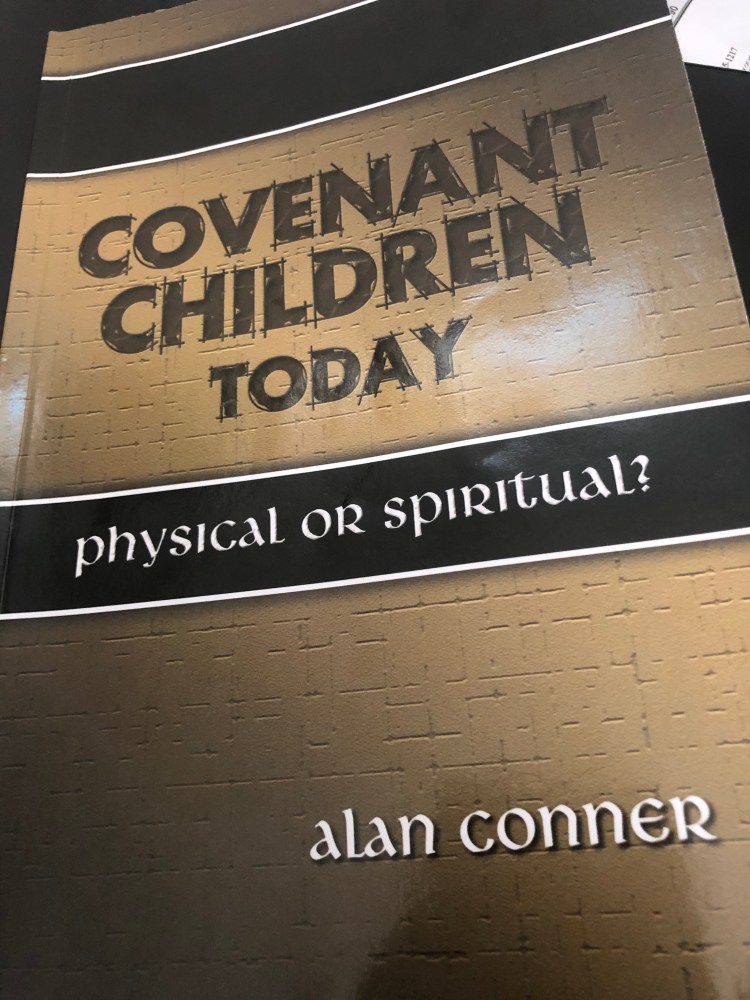
“Because covenants are not natural arrangements, the specific nature and details of any given covenant are no more and no less than what God makes them to be. Their details cannot be discovered, determined, or defined apart from God’s sovereign institution because they do not exist apart from God’s sovereign institution. They are not natural. The parties of the covenant and their respective commitments are limited to that which God has instituted.”

~ Samuel Renihan 

“A Child of Promise”

“The power of the Spirit is strongly manifested in the lives of both Isaac and Christians. Isaac’s miraculous birth took place when Abraham was 100 and Sarah was 90. Paul says in Romans 4:19-20 that Abraham contemplated his own body and Sarah’s womb and realized that they were both basically dead as far as producing children was concerned. It was humanly and physically impossible for them to have children together, yet Abraham did not waiver in unbelief but grew strong in faith and trusted God to give what he promised. Thus, by the supernatural power of the Spirit, Abraham and Sarah were enabled to have a baby boy. His birth was not according to the physical powers of the flesh in that the flesh was unable to produce his conception. It was the power of the Holy Spirit through faith that made Isaac a ‘child of promise.’ It is the same with believers today. Believers, like Isaac, are children of promise, because they too have gone through a supernatural birth. They have been supernaturally born again by the Spirit of God. This is another strong argument that Paul is not thinking in terms of the genealogical principle of natural childbirth when it comes to defining who now are the ‘children of promise.’ In the New Covenant, the children of promise are those born supernaturally according to the Spirit, not according to the flesh (verse 29).”

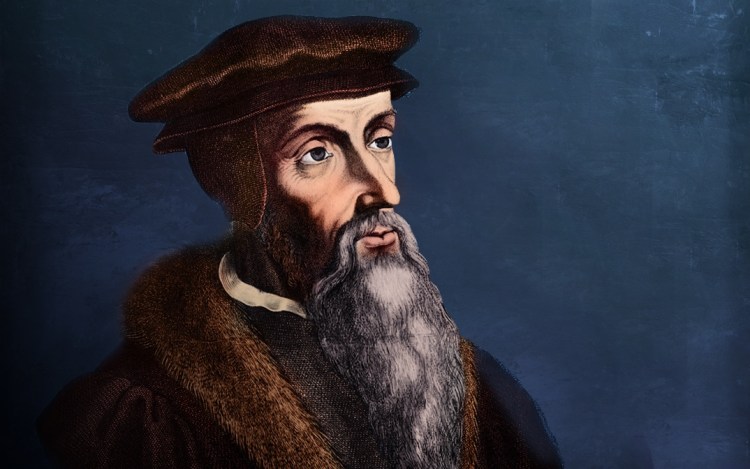
Calvin on Regeneration…

“Therefore, in a word, I describe poenitentia [repentance| as regeneration, of which the goal is none other than that the image of God, defiled and nearly wiped out in us by the transgression of Adam, is restored in us. And this restoration is not completed in one moment or in one day or one year; but with continual, yes, even slow steps God removes corruption from his elect.”

Calvin on John 6:44…

No man can come to me, unless the Father, who hath sent me, draw him. ~ John 6:44

“He does not merely accuse them of wickedness, but likewise reminds them, that it is a peculiar gift of God to embrace the doctrine which is exhibited by him; which he does, that their unbelief may not disturb weak minds. For many are so foolish that, in the things of God, ‘they depend on the opinions of men; in consequence of which, they entertain suspicions about the Gospel, as soon as they see that it is not received by the world. Unbelievers, on the other hand, flattering themselves in their obstinacy, have the hardihood to condemn the Gospel because it does not please them. On the contrary, therefore, Christ declares that the doctrine of the Gospel, though it is preached to all without exception, cannot be embraced by all, but that a new understanding and a new perception are requisite; and, therefore, that faith does not depend on the will of men, but that it is God who gives it.

To come to Christ being here used metaphorically for believing, the Evangelist, in order to carry out the metaphor in the apposite clause, says that those persons: are drawn whose understandings God enlightens, and whose hearts he bends and forms to the obedience of Christ. The statement amounts to this, that we ought not to wonder if many refuse to embrace the Gospel ; because no man will ever of himself be able to come to Christ, but God must first approach him by his Spirit; and hence it follows that all are not drawn, but that God bestows this grace on those whom he has elected. True, indeed, as to the kind of drawing, it is not violent, so as to compel men by external force; but still it is a powerful impulse of the Holy Spirit, which makes men willing who formerly were unwilling and reluctant. It is a false and profane assertion, therefore, that none are drawn but those who are willing to be drawn, as if man made himself obedient to God by his own efforts; for the willingness with which men follow God is what they already have from himself, who has formed their hearts to obey him.”

William Perkins on the Promises Made to Abraham…

“It is here to be observed that the promises made to Abraham are first made to Christ, and then in Christ to all that believe in Him, be they Jews or Gentiles. This conclusion is of great use. First, by it we learn the difference of the promises of the law and the gospel. The promises of the law are directed and made to the person of every man particularly. The promises of the gospel are first directed and made to Christ, and then by consequent to them that are by faith engrafted into Christ.

Secondly, by this we learn to acknowledge the communion that is between Christ and us. Christ as mediator is first of all elected, and we in Him. Christ is first justified, that is, acquit of our sins, and we justified in Him. He is heir of the world, and we heirs in Him. He died upon the cross, not as a Private person, but as a public person representing all the elect; and all the elect died in Him and with Him. In the same manner they rise with Him to life and si at the right hand of God with Him in glory.

Thirdly, here we see the ground of the certainty of perseverance of all them that are the true children of God. For the office of Christ to which He is set apart is to receive the promise of God for us and to apply it unto us. And this work is done by Christ without impediment and without repentance on His part. The seal and foundation of our salvation is this: that God accepts and knows us for His (2 Tim. 2:19), and that which concerns us is that we must worship God in Spirit and truth and depart from iniquity.

Lastly, here is comfort against the consideration of our unworthiness. You say you are unworthy of the mercy of God, and therefore have no hope. And I say again: Do you truly exercise yourself in the spiritual exercises of faith, invocation, repentance? Be not discouraged. You must not receive the promise immediately of God, but Christ must do it for you. Though you are unworthy, yet there is dignity and worthiness sufficient in Him. If you say, that you must at the least receive the promise at the hand of Christ, I add further that ‘He will not quench the flax that doth but smoke, neither will He break the bruised reed.’ He accepts the weak apprehension, if it be in truth. And our salvation stands in this, not that we know and apprehend Him, but that He knows and apprehends us first of all.”

On Suffering…

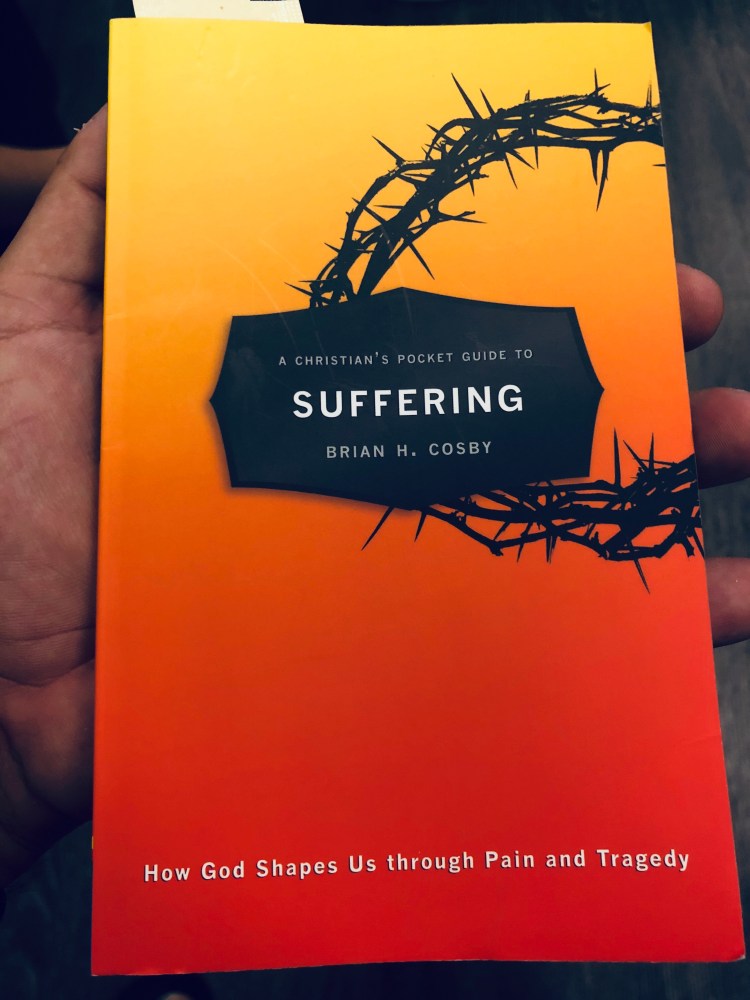
A great read concerning the problem of suffering from a Biblical perspective…

“God could have wiped Adam and Eve from the face of the earth at that point, and he would have been completely just in doing so. But he did not. Rather, he proclaimed a message of grace. God told the serpent, I will put enmity between you and the woman, and between your offspring and her offspring; he shall bruise your head, and you shall bruise his heel’ (Gen. 3:15). God would fulfill his promise by sending a King to strike the deathblow to that ‘ancient serpent (Rev. 12:9).'”

The Importance of Confessing the Faith…

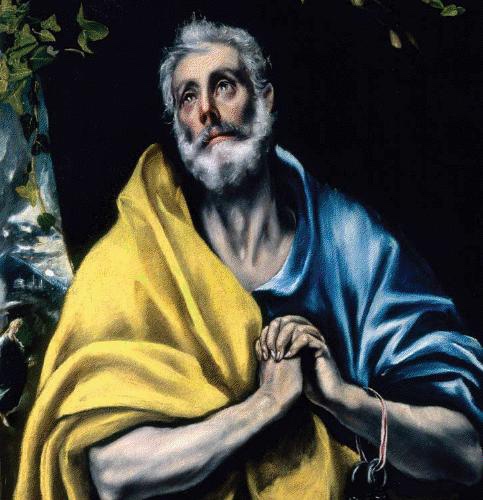
One of the greatest examples of confessing ones faith in the New Testament is that of the apostle Peter that Jesus was the Christ. Jesus responds not only with delight, but provides His apostle with the One who revealed this truth to him…

And Jesus answered and said to him, “Blessed are you, Simon Barjona, because flesh and blood did not reveal this to you, but My Father who is in heaven. 18 “And I also say to you that you are Peter, and upon this rock I will build My church; and the gates of Hades shall not overpower it. 19 “I will give you the keys of the kingdom of heaven; and whatever you shall bind on earth shall be bound in heaven, and whatever you shall loose on earth shall be loosed in heaven.” -Matthew 16:17–19 (NASB)

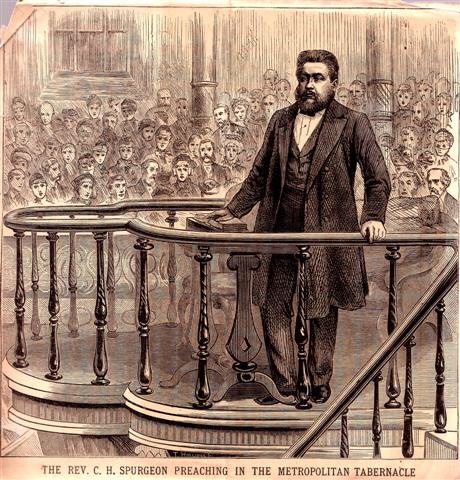
Spurgeon on the Truths of Scripture…

“To say that ‘a creed comes between a man and his God,’ is to suppose that it is not true; for truth, however definitely stated, does not divide the believer from his Lord. So far as I am concerned, that which I believe I am not ashamed to state in the plainest possible language; and the truth I hold | embrace because I believe it to be the mind of God revealed in his infallible Word. How can it divide me from God who revealed it? It is one means of communion with my Lord, that I receive his words as well as himself, and submit my understanding to what I see to be taught by him. Say what he may, | accept it because he says it, and therein pay him the humble worship of my inmost soul.”

~ Charles Spurgeon

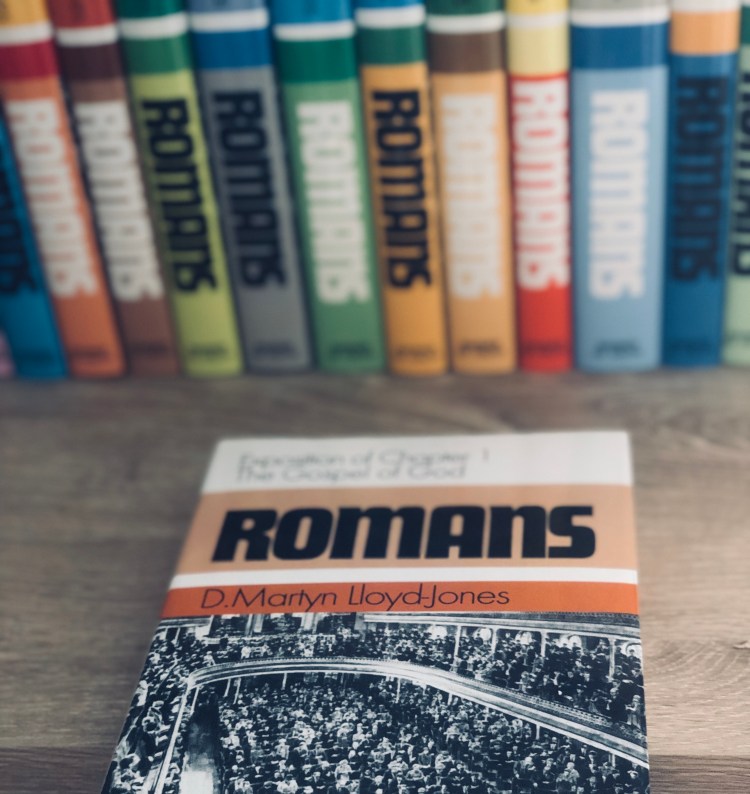
Martyn Lloyd-Jones on False Teaching and the Epistle to the Romans…

“The next question to which we address ourselves is this: here is Paul writing a letter to Christians in Rome. Why did he write to them? What is his reason for writing? He must have had one, and in verse 11 he tells us it was this:

‘I long to see you, that I may impart unto you some spiritual gift to the end ye may be established.’

That is the reason — they needed to be established. Conversion is not the end; it is the beginning. Though a man be soundly converted and born again, he may be in a dangerous state. Why? The Apostle tells us in the last chapter—chapter sixteen, in verses 17 and 18:

‘Now I beseech you, brethren, mark them which cause divisions and offences contrary to the doctrine which ye have learned, and avoid them. For they that are such serve not our Lord Jesus Christ, but their own belly, and by good words and fair speeches deceive the hearts of the simple.’

When I read that, I almost feel that Paul was writing to modern Christians. I am writing to you, he says, in order to ‘establish’ you. There are people going about using fair words and specious arguments. They are so ingratiating, they seem so fine, and the simple and the ignorant believer is liable to listen to them, and so be carried away by every wind of doctrine. To be converted is not enough; we need to be established and to be built up. This surely was never more necessary than it is today, and that is why it behoves us to study the Epistle to the Romans.

This is a persistent problem. There were false teachers then, the Judaisers and others — and they were leading people astray and many Christians were losing their joy. Look at the Galatians, for instance. They seemed to have lost almost everything by listening to these other teachers. The same thing is happening today. It is not so much false teaching today, as the suggestions that ‘it does not matter what you teach.’ Here it was specifically wrong doctrine, but today the tendency is to say that doctrine does not matter at all — that as long as a man has had some sort of an experience, it does not matter.

‘Surely’, they say, ‘we can all be ecumenical in evangelism at any rate.’ In other words, ‘Let us offer Christ to the people.’

But I say, Who is this Christ? What is He like? Ah, but, they say:

‘…now you are causing divisions; you must not ask those questions. The thing to do is to get people converted first, then we can consider teaching them.’

But we must be certain that they are established, that they come on to the right foundation, because ‘other foundation can no man lay than that which is laid.’ There is false teaching abroad, and it behoves us, therefore, to study this Epistle in order that we may be established.”

~ Martyn Lloyd-Jones
Every Now & Then I Like to Share My Testimony…

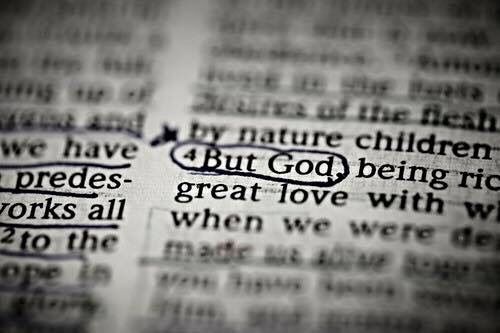
“And you were dead in the trespasses and sins in which you once walked, following the course of this world, following the prince of the power of the air, the spirit that is now at work in the sons of disobedience— among whom we all once lived in the passions of our flesh, carrying out the desires of the body and the mind, and were by nature children of wrath, like the rest of mankind. But God, being rich in mercy, because of the great love with which he loved us, even when we were dead in our trespasses, made us alive together with Christ—by grace you have been saved— and raised us up with him and seated us with him in the heavenly places in Christ Jesus, so that in the coming ages he might show the immeasurable riches of his grace in kindness toward us in Christ Jesus. For by grace you have been saved through faith. And this is not your own doing; it is the gift of God, not a result of works, so that no one may boast. For we are his workmanship, created in Christ Jesus for good works, which God prepared beforehand, that we should walk in them.”

~ Ephesians 2:1-10